
School-aged children are still developing their daily oral hygiene habits, and the grooves on their back teeth can make cleaning more difficult. These narrow pits and fissures may collect food particles and dental plaque, increasing the opportunity for decay to develop. Dental sealants provide a protective covering over these chewing surfaces and may be considered as part of a child’s cavity prevention plan.
What Are Dental Sealants?
Dental sealants are thin protective coatings placed over the grooves and pits of certain teeth, particularly molars. These areas can be difficult to reach thoroughly with a toothbrush because of their shape.
According to Health Canada, sealants act as a barrier that helps prevent food from becoming trapped in the grooves of teeth. They may be applied to permanent teeth once they erupt.
The Canadian Dental Association supports the selective use of pit and fissure sealants for primary and permanent teeth based on a child’s individual cavity risk and a dental assessment.
How Do Sealants Help Prevent Cavities?
Cavities develop when bacteria in dental plaque use sugars from food and drinks to produce acids that damage tooth enamel. Children who frequently consume sugary foods or drinks may have increased exposure to these acids.
The chewing surfaces of molars contain grooves where plaque and food may accumulate. A sealant fills and covers these areas, creating a smoother surface that may be easier to keep clean.
Sealants are not a replacement for brushing, fluoride, flossing, or regular dental examinations. Instead, they may provide another layer of preventive care when a child is considered an appropriate candidate.
Why Are School-Aged Children Often Considered?
Permanent molars begin appearing during childhood. Once these teeth erupt, their deep grooves may be vulnerable to decay before a child has developed consistent brushing skills.
A dentist may assess the condition and shape of the teeth, existing decay, oral hygiene, dietary habits, and overall cavity risk before recommending a sealant.
Parents looking for a dentist in Stratford can discuss whether sealants are appropriate during their child’s regular dental examination. The recommendation should be based on the individual child’s needs rather than age alone.
What Happens During Sealant Placement?
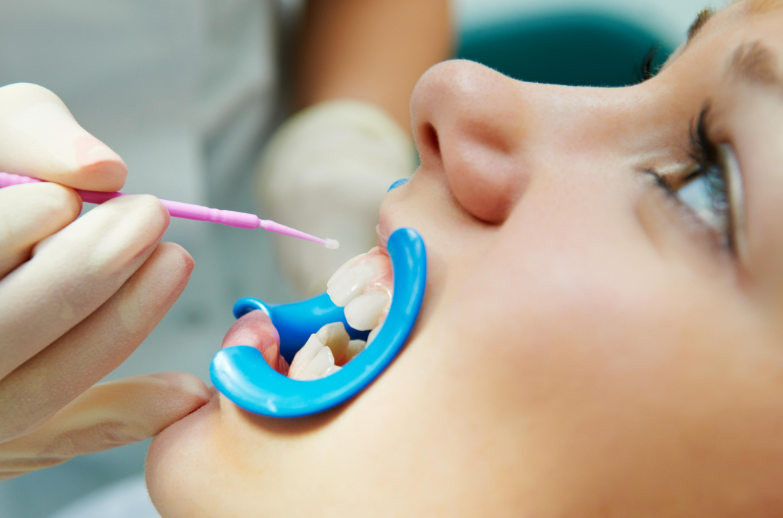
Sealant placement is generally focused on preparing and coating the tooth surface. The tooth needs to be clean and appropriately dry so the material can bond to the chewing surface.
The dentist will first examine the tooth and determine whether it is suitable for sealing. If decay or another dental concern is present, that issue may need to be addressed instead.
For families seeking a family dentist in Stratford, discussing preventive options during routine visits may help parents understand why a sealant has been recommended and what alternatives may be available.
Do Sealants Last Forever?
No dental material should be viewed as permanent. Sealants may remain in place for years, but they can wear or become damaged over time. Regular dental examinations allow the dentist to check whether the sealant remains intact and whether additional treatment is appropriate.
Good brushing with fluoride toothpaste, healthy food choices, limiting frequent sugary snacks and drinks, and regular dental care remain important even when sealants are present.
Support Your Child’s Preventive Dental Care
Front St Dental can discuss your child’s oral health needs and explain whether dental sealants may be appropriate based on their individual circumstances. Families can also ask questions about brushing, fluoride, diet, and regular dental examinations as part of a preventive dental care plan.